


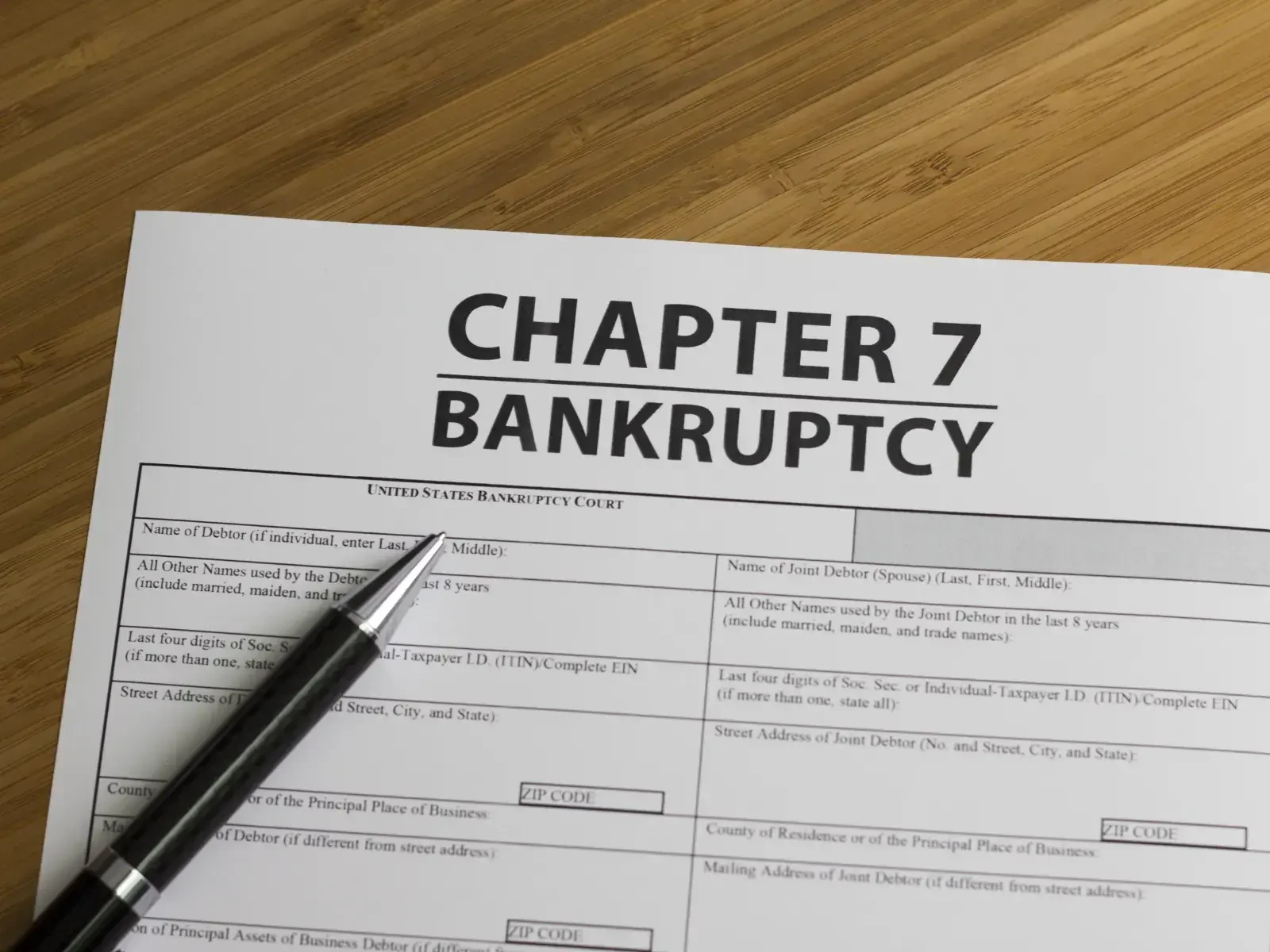
Why Deciding to File Is Never Easy
The decision to file for bankruptcy is a tough one, no matter how you look at it. Going through the bankruptcy process takes time and money. Once a petition is filed, a person’s full financial situation becomes a matter of public record, and the process takes an emotional toll on the filer and family. If you live in Clearwater, FL, or anywhere across the Tampa Bay area and keep asking whether this is the right move, you are not alone.
This article looks at reasons why filing might be right for financially strapped people. These reasons are not all-inclusive, and nothing here is legal advice. Anyone considering a bankruptcy filing under Chapter 7, Chapter 13, or Chapter 11 should talk with a qualified bankruptcy attorney before making a final choice.
Common Situations That Lead People to Bankruptcy
Before we explore reasons for filing bankruptcy, it is helpful to note some common circumstances that have led people to file for bankruptcy protection. Each week, a bankruptcy lawyer meets with individuals who are dealing with some of the following situations.
Out of Control Medical Debt
According to available data, it is huge medical debt from chronic illnesses or sudden accidents that is the main reason for people filing for bankruptcy. In addition to actual treatment costs, there are many hidden costs, like lost income, costs of traveling for treatment, costs of medical equipment, and in-home care. People’s huge medical debt, their collections, and the resulting stress are the main reasons why medical bills are among the leading causes of bankruptcy for working people.
Losing a Lawsuit
No matter the size of a lawsuit, losing in court can lead to garnishment, bank account attachments, and loss of assets. That fear drives many bankruptcy filings.
Foreclosure on a Primary Residence
A pending foreclosure that a debtor cannot settle with the lender pushes many people to file. Under a Chapter 13 repayment plan, debtors can usually save their home and stop the foreclosure. The automatic stay gives the debtor time to catch up on past-due payments.
Debt Repayment After Divorce
Many divorces result in one party carrying more than their fair share of debt from a marriage. All debt can be discharged in a Chapter 7 case, while in a Chapter 13 case, the debtor works out a realistic repayment plan with creditors.
Job Loss or Drastically Reduced Income
Missing one paycheck due to job loss or drastic reduction in family income to rely on for take-home pay to pay bills creates ensuing delinquent payments and associated harassing collection calls to mortgage, car, and other account holders. A Chapter 13 repayment plan is structured to pay as much as able to pay over 3-5 years.
Debt from a Small Business
A small business that struggles to keep up with loan payments, rent, and other expenses is often already insolvent. Filing Chapter 11 can let the business stay open and keep earning while it reorganizes debt and negotiates better terms.
Debt from a Failed Business
Sometimes a start-up or new venture fails and leaves a mountain of debt. Special rules let people in this spot qualify for a Chapter 7 liquidation or a Chapter 13 reorganization.
Wage Garnishment
Aggressive creditors may place liens on your real or personal property or obtain a wage garnishment. However, by filing bankruptcy, you can put your financial affairs back on track while the automatic stay is in place. Try to file a bankruptcy before a creditor obtains a judgment against you, as it is harder to deal with a judgment than with unsatisfied debt.
Student Loan Debt
Most student loan debt is not discharged in Chapter 7 bankruptcy except in narrow cases. With Americans now carrying well over one and a half trillion dollars in student loans, this is the top financial worry for many younger people. Being unable to discharge it in Chapter 7 does not mean you are stuck, since a Chapter 13 plan can help you manage those payments.
Consumer Credit Card Debt
Credit card debt remains a common problem, with national balances now topping one trillion dollars. When someone only makes minimum payments, interest and late fees pile on fast. Many consumers try to file Chapter 7 bankruptcy, while some end up in Chapter 13 because they do not qualify for Chapter 7.
The Top Five Reasons to File for Bankruptcy
Reason One: The Automatic Stay Stops Collection Efforts
Regardless of the Chapter under which one files, the automatic stay is one of the greatest benefits. Once a petition is filed, all collection activity, lawsuits, foreclosures, and wage garnishments are stayed. Therefore, for example, a homeowner facing foreclosure may be able to bring current on past-due payments and attempt to negotiate a modification of the mortgage, with the possibility of restructuring the loan to more reasonable terms in Chapter 11 and 13 cases.
Reason Two: A Fresh Financial Start
People file bankruptcy in order to regain control of their finances. When someone files Chapter 7 bankruptcy, he or she can have most of their debts wiped out in order to have a fresh start. Chapter 7 bankruptcy requires a debtor who is eligible to complete a means test, and to complete pre-file and post-file credit counseling. However, if a debtor does not pass the means test in Chapter 7 bankruptcy, he or she can file Chapter 13 bankruptcy. Even though Chapters 13 and 11 bankruptcy do not wipe clean the debtor’s slate of debts, in those types of bankruptcy the debtor pays back the debts that he or she is able to over a period of three to five years. Whatever is left over after that can be discharged.
Reason Three: Protecting Exempt Property
Even when a debtor gets a discharge, the law lets them keep certain essential property as exempt from creditors. State law decides what counts as exempt, and Florida is generous. Common protected items include:
- A personal residence or home
- A personal vehicle
- Household goods
- Retirement savings
Florida homestead exemption is among the strongest homestead exemptions. Although the homestead is fully exempt in a Chapter 7, a Florida debtor may keep unexempt property and pay back the value of unexempt property in a Chapter 13 or even Chapter 11 plan, so long as the plan pays in full what the unexempt property would pay in a Chapter 7 case, over 3-5 years.
Reason Four: Removing Judicial Liens from Property
Judicial liens arise from lawsuits where a party is determined to be responsible for a particular debt and that liability attaches to particular property, including a home. In bankruptcy cases, particularly where judicial liens impair a debtor’s available exemptions in property, those liens can be stripped in order to permit the debtor to retain his or her property free of the lien. As home values have dramatically increased in the Tampa Bay area, judicial liens are often found to absorb a significant amount of equity in a home. Bankruptcy allows a debtor affected by a judicial lien to utilize his or her homestead exemption and other state and federal exemptions in connection with the sale of his or her principal residence and attempt to protect as much equity as possible in the property.
Reason Five: Handling Priority Debts Like Taxes and Support
A debtor with tax debt or family support obligations may lean toward Chapter 13 or Chapter 11. These obligations can be treated as priority claims in a repayment plan and paid off over three to five years, while much other unsecured debt is discharged. Chapter 7 wipes out certain debts in full, but it is not the right tool for unresolved taxes or child support and alimony. These cases call for careful thought about which chapter fits best.
How a Bankruptcy Attorney Can Help You Decide
Every situation is different, and that is where a local bankruptcy lawyer earns their keep. A Clearwater bankruptcy attorney who knows Florida state exemption statutes and practices before the Middle District of Florida bankruptcy court can look at your full picture and tell you honestly whether filing makes sense. A good bankruptcy attorney will run the means test, map out which chapter protects the most of what you own, and handle the paperwork and court dates. For many people, the first consultation is when they finally see a clear path forward.
Frequently Asked Questions
Can filing for bankruptcy stop a foreclosure on my home?
A Chapter 11 or 13 bankruptcy filing will often trigger the automatic stay and soon put the foreclosure on hold. Often, under a Chapter 13 repayment plan, debtors are able to save their home and repay past-due amounts over time. The automatic stay can also be very powerful in reworking the terms of the loan or seeking a modification under either Chapter 11 or 13.
Will I lose my house and car if I file for bankruptcy in Florida?
No, because you are allowed to keep certain essential assets, and Florida has very liberal exemptions regarding them, including a personal residence, a personal vehicle, household goods, and retirement accounts. Florida’s homestead exemption is particularly powerful and allows for full protection of a person’s primary residence.
Can bankruptcy get rid of my student loan debt?
Most types of student loan debt are not subject to being discharged in a Chapter 7 bankruptcy, but there are a few exceptions. In most cases, though, student loan debt can be paid through a Chapter 13 reorganization plan. With over 1.5 trillion dollars of student loan debt held by Americans, many young people have substantial student loan debt and are very concerned about how to repay it.
How do I know whether Chapter 7 or Chapter 13 is right for me?
Consult with a qualified bankruptcy attorney who can go through all of your financial information with you. A good Clearwater bankruptcy attorney who is familiar with Florida’s exemption statutes and practices in the Middle District of Florida can go through the means test with you and explain which chapter of bankruptcy will protect the most of your assets. Typically, Chapter 7 bankruptcy can wipe out most of your debt if you qualify, but Chapter 13 bankruptcy creates a repayment plan that you follow for 3 years or sometimes 5 years.
Stop the Collection Calls Now
If creditors are garnishing your wages or threatening foreclosure, the automatic stay can put all of that on hold the moment you file. Schedule a consultation with a Clearwater bankruptcy attorney to find out how fast the stay can protect you.
Get real answers by booking a first consultation and seeing a clear path forward.
Should You File for Bankruptcy?
Please note that this article is not intended to be a comprehensive list and does not constitute legal advice. If you are considering bankruptcy, you should sit down with a qualified bankruptcy lawyer to explore your specific options. If you are located in Clearwater or elsewhere in the Tampa Bay area and continue to wonder whether you should file bankruptcy, contact a trusted bankruptcy attorney today to get a clear answer to your questions.
Image credit: depositphotos