


Financial hardship can arise from many circumstances, including job loss, medical expenses, business difficulties, or unexpected life events. When debts become overwhelming and repayment is no longer manageable, bankruptcy may provide a legal pathway toward financial relief. Understanding the bankruptcy filing process helps individuals make informed decisions about their financial future.
Many people initially feel uncertain about the legal procedures involved in bankruptcy. Working with an experienced bankruptcy lawyer can clarify the process, explain available options, and ensure that each step is handled properly in accordance with federal and state laws. For individuals facing significant financial challenges, learning about the bankruptcy process can be the first step toward regaining stability.
Evaluating Financial Circumstances Before Filing
Before filing for bankruptcy, most people carefully look at their finances. At this point, you look over your income, debts, monthly expenses, assets, and other financial obligations.
A qualified bankruptcy attorney often helps clients assess whether bankruptcy is a suitable option. People may be able to file for Chapter 7 bankruptcy, which allows them to discharge some unsecured debts, or for Chapter 13 bankruptcy, which sets up a structured repayment plan.
At this point in the evaluation process, paperwork is crucial. Tax returns, pay stubs, bank statements, and lists of creditors are all examples of financial records that help lawyers and clients get a complete picture of the financial situation.
Credit Counseling Requirements
Before filing for bankruptcy, people who are thinking about doing so must take a credit counseling course from a government-approved agency. This requirement makes sure that people look into other options and get help with budgeting and managing their money.
Usually, the counseling session happens over the phone or online and lasts about an hour. After finishing, the person receives a certificate that they must include with their bankruptcy paperwork when filing it with the court.
This step may seem like just a formality, but it helps ensure that people know their financial options before they start a formal bankruptcy case.
Filing the Bankruptcy Petition
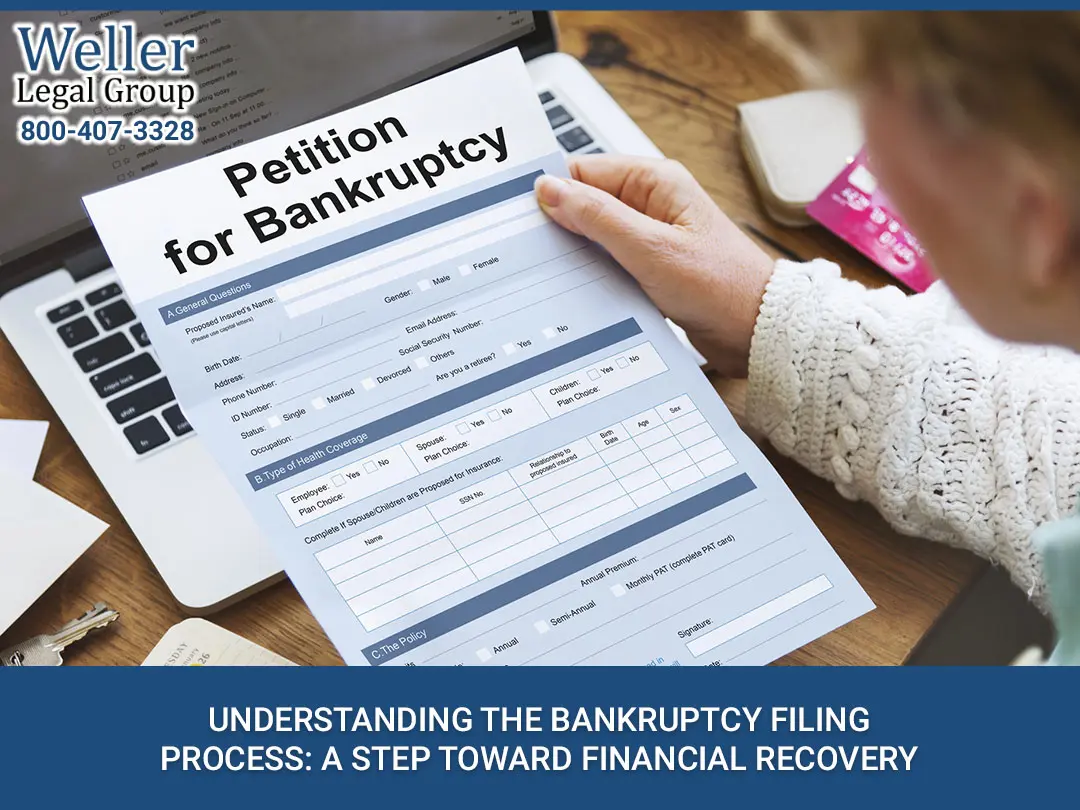
The next step is to file a bankruptcy petition with the federal bankruptcy court after getting all the financial information and completing the credit counseling requirement. The petition contains extensive information about the person’s finances, including income, assets, debts, expenses, and recent financial transactions.
A bankruptcy lawyer ensures these papers are correct and comply with the law by preparing and sending them. An automatic stay usually starts when the petition is officially filed. This legal protection temporarily stops most collection actions. This process includes calls from creditors, lawsuits, and wage garnishments.
While the court processes the bankruptcy case, the automatic stay provides immediate relief.
The Meeting of Creditors
After the bankruptcy petition is filed, the court sets up a meeting for creditors, also known as the 341 meeting. The bankruptcy trustee looks over the case during this meeting and may ask questions about the debtor’s finances.
Creditors can come to the hearings, but they often don’t. The meeting usually doesn’t last long, and it allows the trustee to verify that the information in the bankruptcy petition is correct and complete.
An experienced bankruptcy lawyer will usually prepare their clients for the meeting by explaining what to expect.
Completing the Bankruptcy Process
The last steps of the bankruptcy process depend on what kind of bankruptcy filing you have. In Chapter 7 cases, the trustee must complete their review, and the debtor must meet all their obligations before any debts can be discharged.
In Chapter 13 cases, people follow a repayment plan approved by the court. This plan usually lasts three to five years. Upon successful completion of the repayment plan, the court may forgive any remaining qualifying debts.
A knowledgeable bankruptcy attorney can help ensure that all legal requirements are met and that people receive all the protections bankruptcy law offers throughout the process.
Frequently Asked Questions About Bankruptcy
How long does the bankruptcy process take?
The timeline varies by type of bankruptcy. Chapter 7 cases often take several months to complete, while Chapter 13 repayment plans typically last three to five years.
Will bankruptcy stop creditor collection efforts?
In most situations, filing for bankruptcy triggers an automatic stay that temporarily stops collection activities such as lawsuits, wage garnishments, and collection calls.
Can a bankruptcy attorney help determine the right type of bankruptcy?
Yes. A bankruptcy attorney evaluates financial circumstances and explains the differences between Chapter 7 and Chapter 13 bankruptcy so clients can make informed decisions.
Does filing for bankruptcy eliminate all debts?
Not all debts can be discharged. Certain obligations, such as some taxes, student loans, and child support, may remain after the bankruptcy process.
Seeking Professional Legal Guidance
Filing for bankruptcy can feel complex, but the legal system provides structured procedures designed to help individuals address overwhelming debt. With the guidance of a knowledgeable bankruptcy attorney, individuals can better understand their options and navigate the legal process with confidence. Weller Legal Group provides expert legal assistance and information about the bankruptcy process for individuals seeking debt relief options in Tampa.
Picture Credit: Depositphotos