


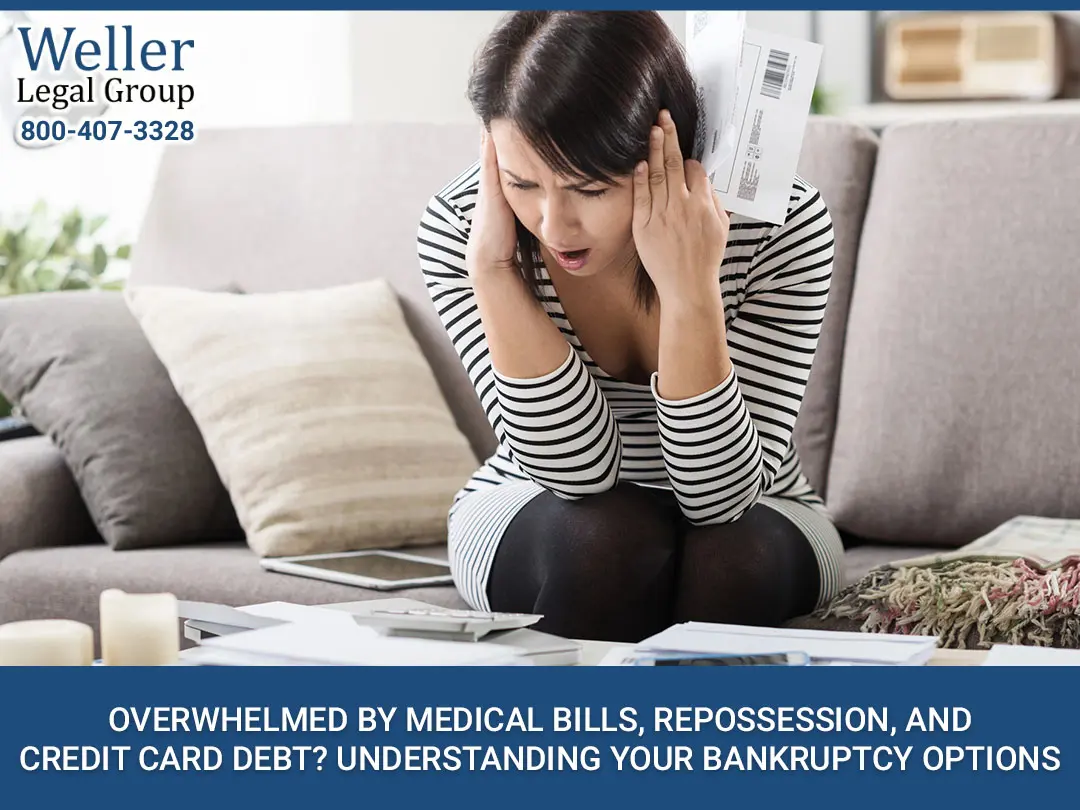
Financial hardship can arise quickly and without warning. Unexpected medical bills, a vehicle repossession, and maxed-out credit cards often create a cycle of stress that feels impossible to escape. When minimum payments exceed available income and collection calls become routine, it may be time to evaluate legal solutions designed to provide relief.
Consulting a qualified bankruptcy attorney can help individuals understand the full scope of their options and make informed decisions based on their unique financial circumstances.
The Impact of Medical Debt, Repossession, and Credit Card Balances
Medical debt is still one of the most common reasons people have money problems. Even those with insurance may face high deductibles, uncovered procedures, or long-term treatment costs. Medical bills are usually unsecured, meaning they are not tied to collateral like secured debt is. But unpaid bills can still result in collection actions and a negative credit report.
A repossession makes things even harder. If a borrower misses payments and the lender takes back the car, the borrower may still owe a deficiency balance if the car is sold for less than the loan balance. Collections or legal action can recover this unpaid amount as unsecured debt.
Maxed-out credit cards make it even harder to stick to a monthly budget. High interest rates quickly add to balances, which makes it difficult to pay off the principal. When you add medical bills and debt from repossession, your total debts can be more than you can pay back.
Evaluating Chapter 7 Bankruptcy
People with little extra money and a lot of unsecured debt often think about filing for Chapter 7 bankruptcy. This process lets you get rid of certain debts, like medical bills, credit card balances, and deficiency balances from repossessions. This means that you are no longer legally required to pay those debts.
A means test that compares household income to the state median determines eligibility. A bankruptcy lawyer can help someone determine whether they qualify and explain how exemptions protect certain assets, such as their primary residence, retirement accounts, and personal property.
For many people, Chapter 7 provides a new start in a short time. But it doesn’t get rid of all your debts, like most student loans, recent taxes, and child support payments.
Considering Chapter 13 Bankruptcy
People with steady income who need structured repayment terms may want to file for Chapter 13 bankruptcy. Rather than an immediate release, this option establishes a repayment plan spanning three to five years under the court’s supervision.
Chapter 13 lets people avoid more repossession and catch up on missed mortgage or car payments. It also halts collection activity through an automatic stay, preventing creditors from bothering you right away.
A bankruptcy lawyer can help you figure out if Chapter 13 is a viable option for you, especially if you want to keep your secured property while reorganizing your unsecured debt.
Alternatives Outside of Bankruptcy
Bankruptcy offers robust legal safeguards; however, it is not the sole solution. Some people may talk to their creditors directly about debt settlement negotiations, payment plans, or hardship programs. But these other options often require a steady income and may not address the full problem of financial imbalance.
It is important to think about how each choice will affect you in the long run. A good bankruptcy lawyer can weigh the pros and cons of each option, like how it will affect your credit, how long it will take to pay off, and how to protect your assets.
Frequently Asked Questions About Bankruptcy and Debt Relief
Will filing for bankruptcy stop collection calls?
Yes. Once a case is filed, the automatic stay prohibits most collection actions, including phone calls, wage garnishments, and lawsuits.
Can bankruptcy eliminate medical bills?
In most cases, medical debt is discharged under Chapter 7 or included in a Chapter 13 repayment plan.
What happens after a repossession?
If the vehicle is sold for less than the loan balance, the remaining deficiency becomes unsecured debt. Bankruptcy may discharge this obligation, depending on the chapter filed.
Will I lose all of my assets?
Exemption laws protect many assets. A bankruptcy attorney can explain how exemptions apply to specific property.
How long does bankruptcy affect credit?
A bankruptcy filing may remain on a credit report for up to ten years, but many individuals begin rebuilding credit shortly after discharge.
Moving Forward with Confidence
Outstanding medical bills, repossession balances, and overwhelming credit card debt can feel paralyzing. However, legal pathways exist to restore financial stability. The key is obtaining accurate information and personalized guidance. Individuals seeking assistance from a bankruptcy lawyer in Tampa may consider consulting Weller Legal Group. A professional evaluation of your financial situation can clarify your options and provide a structured path toward renewed financial control.
Picture Credit: Depositphotos