


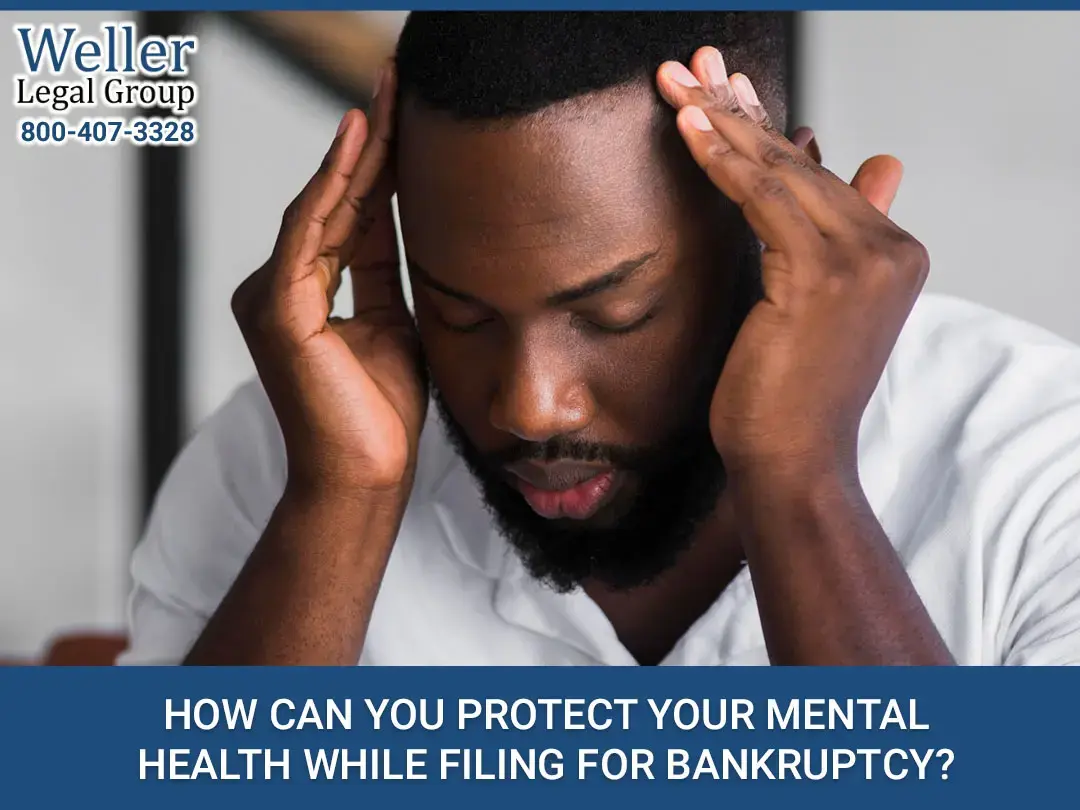
Financial stress is more than a drain on your bank account. It can often affect sleep, relationships, work performance, physical health, and overall mental well-being. For many people, the decision to file bankruptcy comes after months or even years of trying to cope with mounting debt, collection calls, lawsuits, or wage garnishments. When they start exploring legal solutions, they often have a significant emotional burden in addition to their financial obligations. As Clearwater, FL, bankruptcy attorneys, we always tell our clients that financial recovery isn’t just about dealing with debt. It also means restoring confidence, reducing stress, and enabling people to move forward with greater security.
Bankruptcy is a legal process, but the emotional impact is just as big. Understanding what to expect and having healthy ways to cope with the stress throughout the process can make the experience much less overwhelming.
Why Financial Stress Has Such a Powerful Emotional Impact
Financial problems can develop slowly. Things like a medical emergency, losing your job, getting a divorce, inflation, rising interest rates, or unexpected expenses around the house can slowly add up until you can’t meet your monthly obligations. When people fall into debt, they worry about losing their home, their credit, or letting their family down.
These fears can lead to persistent anxiety that affects all aspects of your life. People frequently deal with the ongoing stress of financial issues by experiencing difficulty sleeping, irritability, poor concentration, and physical tension. Some people begin to avoid phone calls or unopened mail because they fear hearing from yet another creditor.
Knowing these reactions are not unusual can help reduce feelings of isolation. Financial hardship is an equal opportunity employer. It can happen to anyone, regardless of their job, pay grade, or life stage.
Removing the Stigma Around Bankruptcy
The stigma attached to bankruptcy is one of the biggest emotional hurdles many face. Some people mistakenly think filing for bankruptcy is a personal failure. Bankruptcy exists because lawmakers recognized that honest people sometimes end up in financial straits they can’t control.
Even those who have managed their finances responsibly for many years can face economic changes, serious illness, business setbacks, and family emergencies. Bankruptcy is a legal process that helps individuals manage or eliminate qualifying debt as they work to regain financial stability.
Learning About the Process Can Reduce Anxiety
Fear tends to grow when people do not know what lies ahead. Bankruptcy has long been misunderstood. Some people delay getting legal advice because they believe bankruptcy means they will lose everything they own or never get credit again.
In an initial consultation, we discuss the bankruptcy process, review each client’s financial situation, and answer questions about exemptions, creditor actions, court requirements, and options. Many of our clients tell us they feel relieved to finally know their options.
Focus on Facts Instead of Assumptions
Details gathered from friends, social media, or online conversations may not reflect a person’s situation accurately. Each bankruptcy case has unique assets, income, debt levels, and legal considerations.
Sound legal advice results in decisions based on realistic expectations, not needless fear.
Supporting Your Mental Health Throughout the Process
Supporting your emotional health during bankruptcy means recognizing that financial recovery takes time. Filing for bankruptcy may immediately halt many collection efforts through the automatic stay, but emotional healing often takes much longer.
Healthy daily habits can help during financially stressful times. Regular sleep patterns, consistent physical activity, a healthy diet, and social connections often help reduce anxiety. For some, speaking with a licensed mental health professional can help them find ways to deal with stress and emotional difficulties.
Do Not Face Financial Stress Alone
Many people isolate themselves when money problems occur. Often they are embarrassed to tell trusted family members or close friends about their debt. Talking openly with your supporters can ease the emotional strain and remind you that you’re not alone.
Getting legal advice early can also help because uncertainty often causes more anxiety than the legal process itself.
Looking Beyond Your Credit Score
Fear of damaging their credit scores is one reason people put off bankruptcy. Bankruptcy does affect credit history, but many people already have declining credit scores because of missed payments, collections, and high debt balances before they file for bankruptcy.
We encourage our clients to think about their overall financial health, not just credit scores. With qualifying debt resolved, they can set realistic budgets, rebuild savings, and gradually improve their credit.
Financial Recovery Is a Process
Restoring financial confidence isn’t an overnight process. Small things such as paying your current bills on time, building an emergency fund, and staying on top of your credit reports can help you rebuild your confidence after bankruptcy.
Many clients find that dealing with overwhelming debt also improves family relationships, concentration at work, and overall quality of life.
Creating Healthy Financial Habits After Bankruptcy
Bankruptcy can be a valuable opportunity to develop better financial habits for the future. Reviewing monthly spending and creating realistic budgets can help. Building emergency savings and using credit responsibly can also help.
We want clients to see bankruptcy as part of a larger financial recovery plan, not as a final option. Past obstacles can be learning experiences that help you build better financial habits, which can lead to greater confidence in your financial decisions down the line.
Focus on What You Can Control
People waste time worrying about past financial decisions or unexpected events beyond their control. To move forward, focus on present goals, plan responsibly, and make informed decisions.
Progress often comes from taking one concrete step.
Professional Guidance Provides More Than Legal Advice
We don’t just draw up legal documents. We help clients understand the bankruptcy process, answer tough questions, explain their debt relief options, and provide them with the information they need to make smart choices.
Every client has different financial issues. By understanding each individual’s circumstances, we help to develop legal strategies that support both financial recovery and mental health.
Many clients tell us that having a clear plan in place takes away much of the stress they felt before seeking legal advice.
Frequently Asked Questions
Can bankruptcy reduce the stress caused by overwhelming debt?
Many individuals experience significant emotional relief after filing because the automatic stay often stops collection calls, lawsuits, wage garnishments, and many other creditor actions.
Is it normal to feel anxious before filing bankruptcy?
Yes. Anxiety is a common response to financial hardship. Learning about the bankruptcy process and speaking with an experienced attorney often helps reduce uncertainty.
Will filing bankruptcy permanently damage my financial future?
Bankruptcy affects credit history, but many individuals begin rebuilding their finances after they resolve qualifying debts. Responsible financial habits often support future financial improvement.
Should I speak with a bankruptcy attorney before deciding whether to file?
Yes. Meeting with an attorney lets us evaluate your financial circumstances, explain your options, and determine whether bankruptcy or another debt relief solution best fits your needs.
Financial hardship affects more than your finances, but you do not have to go through it alone. If you are considering bankruptcy and want experienced legal guidance, contact us. As a trusted bankruptcy lawyer serving individuals throughout Clearwater, FL, we will review your financial situation, explain all available options, and help you move toward a stronger financial future. Contact us today to schedule a confidential consultation.
Picture Credit: Freepik