


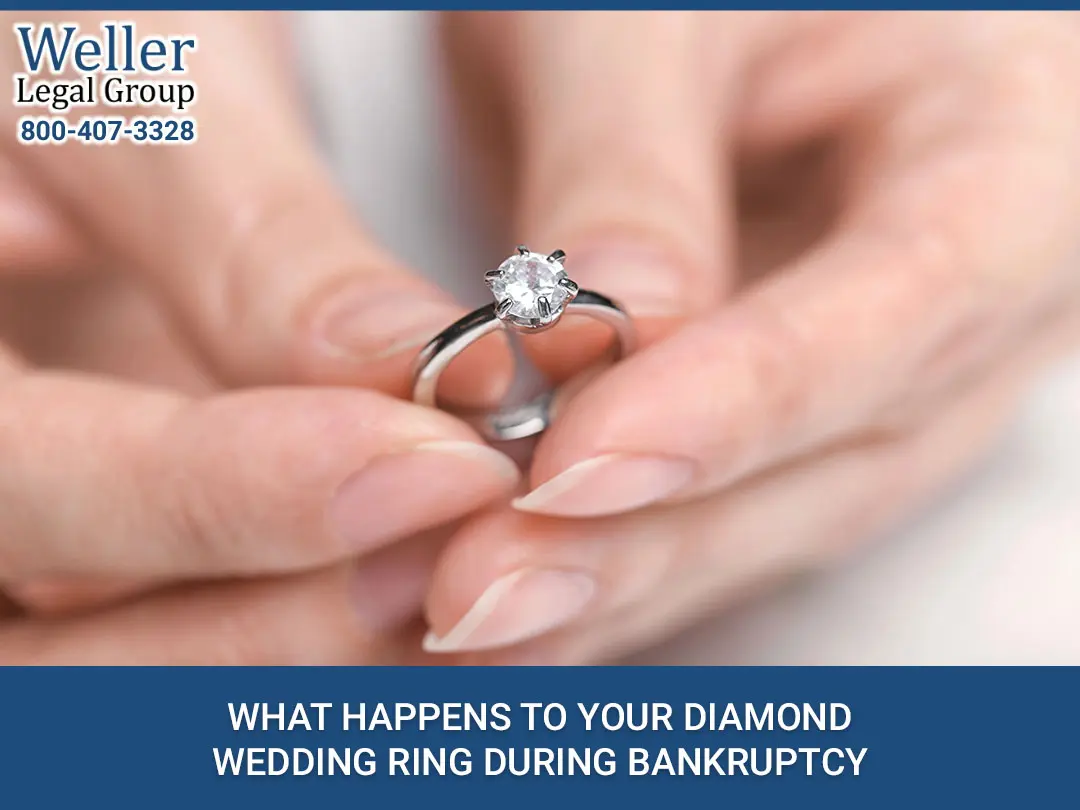
Filing for bankruptcy often raises deeply personal concerns, especially when valuable or sentimental property is involved. One of the most common questions involves jewelry, particularly a diamond wedding ring. Individuals seeking guidance from a bankruptcy attorney in Clearwater often worry about the potential seizure or protection of their valuable items during the process.
Understanding how bankruptcy law treats personal property can reduce anxiety and help individuals prepare realistic expectations. While every case is unique, federal and state exemption laws provide structured rules that determine which assets may be kept and which may be liquidated.
How Bankruptcy Classifies Personal Property
The law on bankruptcy divides assets into two groups: exempt and nonexempt. The trustee can’t take exempt property because it is protected. Depending on the bankruptcy chapter and applicable exemptions, creditors may be able to sell nonexempt property to recover their money.
Most of the time, jewelry is considered personal property. Whether it is protected depends on its value, classification, and the filing jurisdiction’s exemptions. Sentimental value does not affect how the law classifies something. Only the fair market value is taken into account.
The Role of Exemptions in Protecting Jewelry
Most bankruptcy cases use exemption laws to protect important and reasonable personal items. Some places have specific rules about jewelry that differ from those for other personal property.
Most of the time, a diamond ring is safe if its value is less than the allowed exemption amount. If it exceeds the limit, the trustee may require a partial liquidation or allow the debtor to pay the nonexempt portion to keep the item.
It is crucial to get the value right. Professional appraisals establish fair market value and help keep things from getting messy during case review.
Chapter 7 Versus Chapter 13 Treatment
In Chapter 7 bankruptcy, the trustee can sell assets that aren’t exempt. If a wedding ring is worth more than the exemption limits, it could be in danger unless the debtor can pay the estate for the extra value.
In Chapter 13 bankruptcy, you usually keep your assets, but your repayment plans take into account the value of things that aren’t exempt. This allows people to keep their property while paying off their debts over time.
Choosing the right chapter has a big impact on how to protect your assets. Legal advice ensures that filings align with personal goals and financial realities.
Common Misconceptions About Jewelry and Bankruptcy
Many people think the court automatically takes all valuable property. Most people who file keep their personal items, such as wedding rings, especially when they are low-value.
Another false belief is that people can hide their assets. Disclosing all property to the court is important to avoid dismissal or legal penalties. Transparency is necessary and will ultimately help the debtor.
People tend to think more highly of jewelry that is for personal or marital use than of luxury investments. Courts know that these things have both practical and emotional uses.
Frequently Asked Questions About Jewelry in Bankruptcy
Will my wedding ring be taken if I file for bankruptcy?
Not necessarily. Protection depends on value and applicable exemptions.
Do I need to get my ring appraised?
Yes. Accurate valuation prevents disputes and ensures proper classification.
Can I transfer my ring before filing?
Asset transfers before filing may be considered fraudulent and should be avoided.
What if my ring exceeds the exemption limit?
Options include paying the difference or choosing a repayment plan.
Does sentimental value matter in court?
No. Only fair market value is legally relevant.
Concerns about personal property are natural when facing financial hardship. For individuals in Clearwater, consulting a knowledgeable bankruptcy lawyer can provide clarity and reassurance about asset protection. Understanding how exemptions apply allows informed decisions without unnecessary fear.
Working with experienced professionals such as Weller Legal Group ensures that valuable personal items, including wedding rings, are properly evaluated and that legal strategies align with both financial needs and personal priorities.
Picture Credit: Depositphotos